How Cracks in Concrete Foundations Affect Structural Stability
Repairing cracks in concrete foundations helps prevent further damage and maintains structural stability, with local contractors ready to provide expert assessments and solutions.
Understanding how cracks in concrete foundations affect structural stability is essential for property owners who want to safeguard their investments. Over time, small cracks can develop into more serious issues, potentially compromising the integrity of a building’s foundation. Recognizing the signs early and knowing when to seek professional assessment can prevent costly repairs down the line. Property owners in the area who notice uneven floors, sticking doors, or visible cracks may find it beneficial to explore this topic further, as local contractors experienced in foundation repair can provide the expertise needed to address these concerns effectively.
Exploring how cracks in concrete foundations impact the overall stability of a structure helps property owners make informed decisions about maintenance and repairs. Foundation issues can sometimes be subtle but may lead to significant problems if left unaddressed. Local service providers specializing in concrete foundation crack repair are equipped to evaluate the severity of cracks and recommend appropriate solutions to restore stability. Staying informed about this subject can empower property owners to take proactive steps, ensuring their buildings remain safe and durable for years to come.
- Concrete foundation crack repair services are essential when cracks threaten the structural integrity of a building and need professional assessment and stabilization. Local contractors evaluate the size and pattern of cracks to determine if they compromise stability and use appropriate repair methods to prevent further damage. When foundation cracks are caused by shifting soil or settling, experienced service providers can reinforce the foundation to restore stability and safety. For cracks that indicate potential structural issues, local pros can perform targeted repairs to address underlying problems and reinforce the foundation’s support. Homeowners concerned about how cracks in concrete foundations affect structural stability can connect with local experts to ensure proper evaluation and repair.
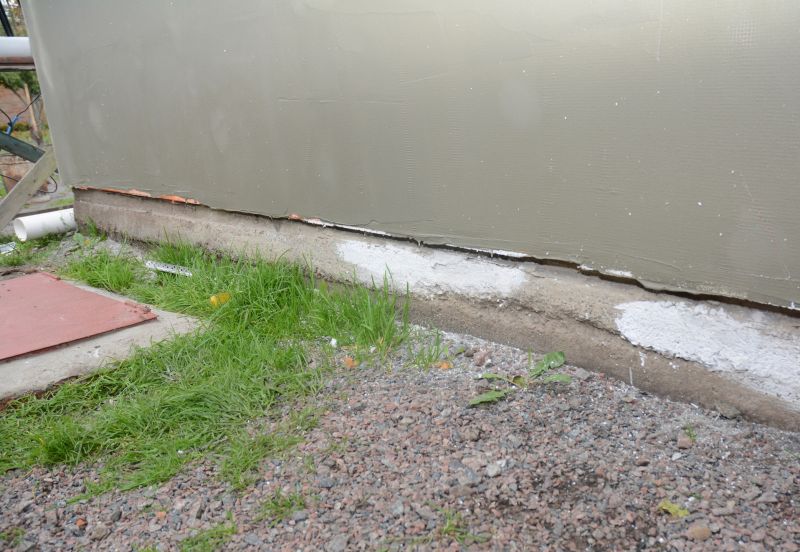
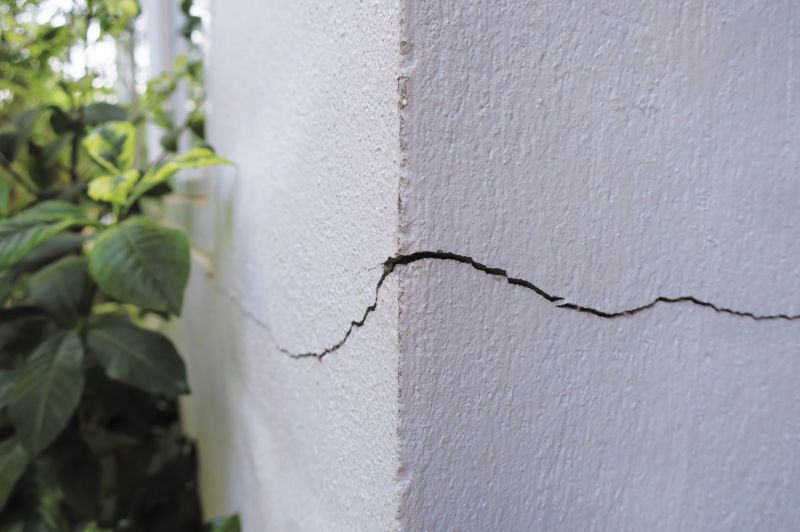
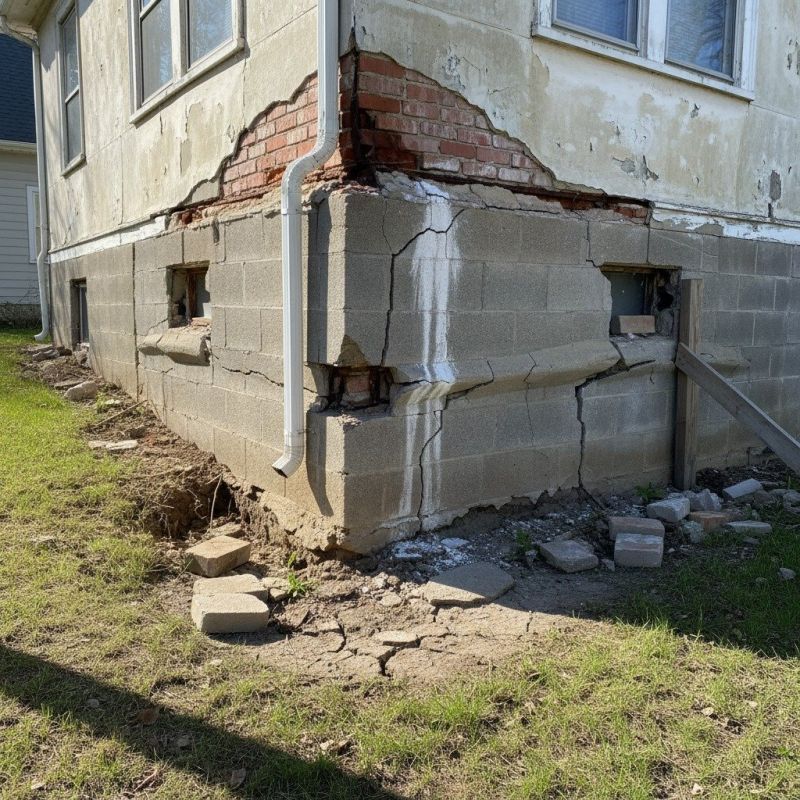
When people search for information about how cracks in concrete foundations affect structural stability, they are often concerned about the safety and longevity of their property. Cracks can appear for various reasons, including settling, soil movement, or temperature changes, and homeowners want to understand whether these cracks pose a serious risk. The focus is typically on identifying signs that indicate a potential compromise in the foundation’s strength, which could lead to uneven floors, sticking doors, or more significant structural issues over time. This topic is especially relevant for those who have noticed visible cracks or signs of shifting in their foundation, prompting them to seek professional assessment and repair options.
The problems related to cracks in concrete foundations often involve concerns about ongoing deterioration and the potential for increased damage if left unaddressed. For property owners planning renovations or considering resale, understanding how these cracks impact the overall stability helps inform decisions about repairs or reinforcement. Common plans include sealing minor cracks to prevent water infiltration and addressing larger, structural cracks that may require more extensive intervention. The goal is to maintain the integrity of the foundation, protect the property’s value, and prevent costly repairs in the future. Local contractors specializing in foundation crack repair can evaluate the severity of cracks and recommend appropriate solutions tailored to each property’s needs.
Properties that typically come up in discussions about cracks in concrete foundations include residential homes, especially those built on expansive soils or in areas prone to shifting ground. Single-family houses are often the primary focus, but multi-family buildings, commercial properties, and even some industrial structures can experience foundation issues as well. The type of property influences the nature of the cracks-whether they are hairline fractures or wider, more serious splits-and determines the best approach for repair. Homeowners should recognize that the presence of cracks in these properties often signals a need for professional assessment to prevent further structural problems and ensure the foundation remains stable over time.
Understanding how cracks in concrete foundations affect structural stability helps property owners connect the dots between visible damage and potential risks. Local service providers with expertise in foundation crack repair play a crucial role in diagnosing the cause of cracks, evaluating their impact, and implementing suitable fixes. Whether it’s sealing minor cracks or addressing more significant structural issues, these pros help ensure that the foundation remains solid and reliable. For homeowners concerned about their property’s stability, reaching out to local contractors for an inspection can provide clarity and peace of mind, helping to preserve the safety and value of the home or building.
Foundation Repair - professionals specializing in foundation repair can address cracks that threaten structural stability and ensure the integrity of concrete structures.
Concrete Crack Sealing - local contractors skilled in concrete crack sealing help prevent further damage and maintain the stability of foundations affected by cracks.
Structural Reinforcement - experts in structural reinforcement can strengthen compromised foundations to support the overall stability of a building.
Basement Waterproofing - waterproofing specialists often work on foundation cracks to prevent water intrusion that can weaken structural components.
Masonry Repair - masonry repair services deal with cracks and damage in concrete and brickwork, supporting the stability of foundation walls.
Soil Stabilization - soil stabilization contractors help improve ground conditions around foundations, reducing the risk of cracks caused by settling or shifting soil.
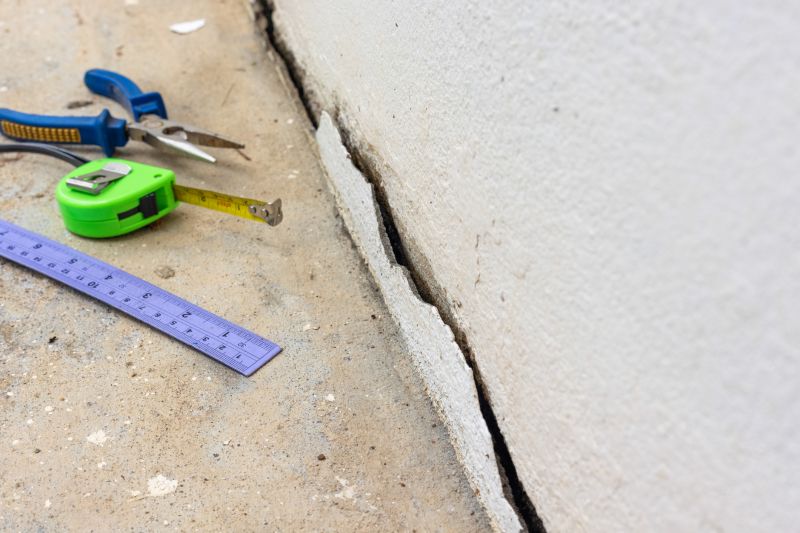
When comparing service providers for concrete foundation crack repair, it is important to consider their experience with similar projects. A contractor with a history of working on foundation repairs involving cracks can provide insight into their familiarity with how cracks in concrete foundations affect structural stability. This experience often reflects their ability to assess the severity of cracks, recommend appropriate repair methods, and handle the unique challenges that may arise during the process. Ensuring that a contractor has handled comparable situations can help provide confidence that they understand the complexities involved and are equipped to deliver effective solutions.
Clear written expectations are essential when evaluating local contractors for foundation crack repair services. A reputable service provider should be able to outline the scope of work, the recommended repair techniques, and the expected outcomes in a transparent manner. This clarity helps homeowners understand what to expect throughout the repair process and ensures that there are no surprises. Well-documented plans also facilitate better communication and serve as a reference point should any questions or concerns arise during the project, ultimately contributing to a smoother experience.
Reputable references and strong communication skills are key factors when selecting a contractor for foundation repairs. Local service providers with positive references from previous clients indicate a history of satisfactory work and reliability. Additionally, good communication ensures that homeowners can easily ask questions, express concerns, and receive timely updates. Contractors who prioritize clear, consistent communication and are open to providing references demonstrate professionalism and a commitment to customer service. These qualities can help build trust and confidence that the chosen service provider will handle the repair process thoroughly and responsibly.
Property owners often search for how cracks in concrete foundations affect structural stability when they are planning practical projects around their homes and businesses. Local pros provide Concrete Foundation Crack Repair services for everyday jobs and straightforward project options.
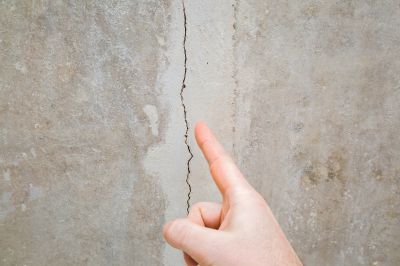
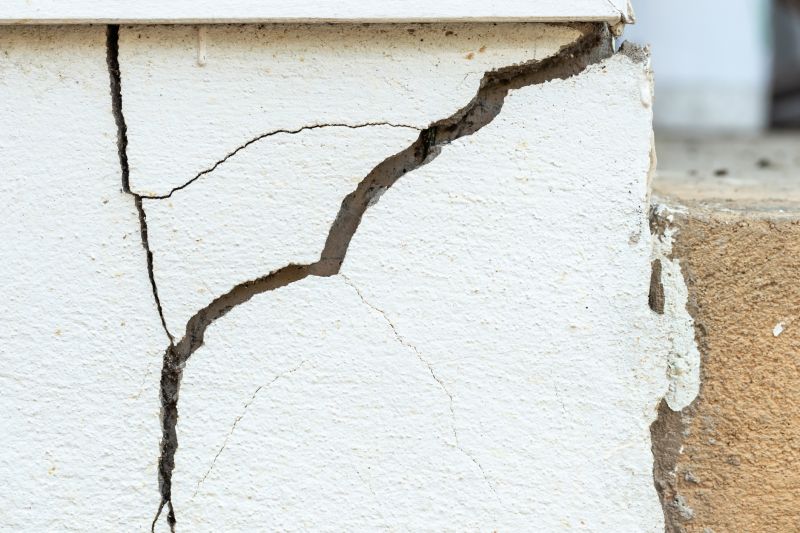
Cracks in concrete foundations are a common concern for property owners, especially when they notice uneven floors, sticking doors, or visible fractures around their home’s base. These cracks can develop from various causes, such as shifting soil, temperature changes, or settling over time. Understanding how cracks in concrete foundations affect structural stability is important because even small, seemingly minor cracks can sometimes indicate underlying issues that may compromise the integrity of the entire building. When cracks appear, it’s often a sign that professional assessment and repair are needed to prevent further damage and ensure the safety of the property.
Homeowners in the area who observe cracks in their foundation often seek out concrete foundation crack repair services to address these issues early on. Local contractors experienced in foundation repair can evaluate the severity of the cracks and determine whether they are superficial or a sign of more serious structural concerns. Proper repair can help reinforce the foundation and prevent future problems such as shifting or settling that could threaten the stability of the building. Connecting with trusted service providers ensures that cracks are properly managed, helping to maintain the safety and value of the property over time.
How do cracks in concrete foundations impact structural stability? Cracks can weaken the foundation's ability to support the building, potentially leading to uneven settling, further damage, or even structural failure if not addressed promptly by experienced contractors.
Can small cracks in a concrete foundation affect stability over time? Yes, even small cracks can expand or worsen over time, compromising the foundation's strength and increasing the risk of more serious issues, making repair services essential.
What types of cracks are most concerning for foundation stability? Vertical or diagonal cracks that are wider or growing may indicate significant movement or stress, which can threaten the stability of the structure and should be evaluated by local contractors.
How do local foundation repair services assess cracks for structural stability? They typically inspect the size, location, and pattern of cracks, and may perform measurements or monitoring to determine if the cracks compromise the foundation's integrity.
Why is it important to address cracks in concrete foundations early? Early repair can prevent further deterioration, maintain the building’s stability, and reduce the risk of costly structural issues in the future, with local service providers able to handle the necessary repairs.
Assessing crack severity - Property owners can evaluate visible cracks to determine if professional repair is needed, helping to prevent further structural issues.
Monitoring foundation movement - Keeping an eye on cracks over time can indicate ongoing foundation settling, prompting timely service from local contractors.
Prioritizing repair projects - Identifying areas with significant cracks allows homeowners to plan for foundation repairs that restore stability and prevent future damage.
Choosing repair methods - Understanding how cracks impact structural stability helps owners select appropriate repair solutions offered by local service providers.
If you are thinking about how cracks in concrete foundations affect structural stability for a property, this guide is meant to help you understand this topic, the typical project types, and how different options might fit your plans.
When you are ready, you can use the quote form on this page to share a few details about your project. From there, local pros can review the basics and follow up with options that match what you have in mind.